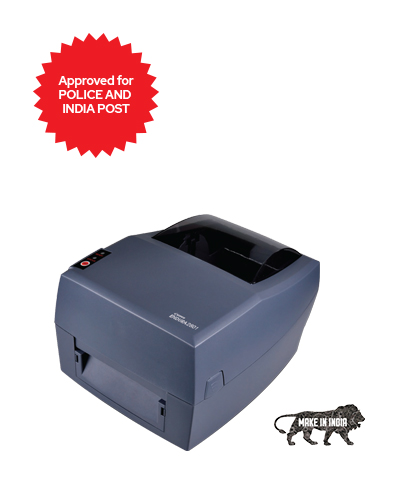

The storage capacity is ideal for holding multiple label images while printing 1000s barcode labels.
Endura 2801 is designed using ZPL and TSPL, the best programming languages to give commands to printers.
It supports a 300mm thermal transfer ribbon which helps print high-quality barcode stickers.
It maintains a high printing speed of 5 IPS fast labels throughout.
Masabumi Hosono was the only Japanese passenger on board and he survived the sinking.
កុំលួចមើលណា៎! ជឿជាក់លើខ្ញុំ។ (Jack: No peeking! Trust me.) រ៉ូស៖ ខ្ញុំជឿជាក់លើលោក។ (Rose: I trust you.) titanic speak khmer
In the vast, ever-churning ocean of internet content, certain phrases float to the surface with an almost magnetic pull. One such keyword that has been generating significant traction across YouTube, TikTok, and Facebook is the curious string: Masabumi Hosono was the only Japanese passenger on
In English, Jack and Rose call each other "you" and "I." In Khmer, pronouns reflect age, gender, and intimacy. For Jack and Rose's legendary romance, translators often employ affectionate terms like (older brother/darling, used for Jack) and "Oun" (younger sister/darling, used for Rose). This instantly frames their dynamic within a traditional Cambodian romantic context, deepening the emotional weight for local viewers. 2. Social Class Realities Trust me
Classic versions feature live-style narration where the original English audio plays softly in the background while the Khmer voice actors speak over it. Cultural Impact in Cambodia
If you type “Titanic Speak Khmer” into a search engine, you won’t find a long-lost dubbed version of James Cameron’s epic from 1998. Instead, you will find a genre of user-generated content, primarily utilizing technology (like 15.ai, Uberduck, or TikTok’s voice synthesis).
Titanic was released in 1997. For many Cambodians in their late 20s and 30s, this was the first Western blockbuster they watched on VCDs or late-night cable. The sinking ship, Celine Dion’s “My Heart Will Go On,” and the tragic romance are deeply embedded in the Khmer psyche. Parodying it feels like playing with a sacred, ancient artifact.
Check out the wide range of customized products for your business needs.