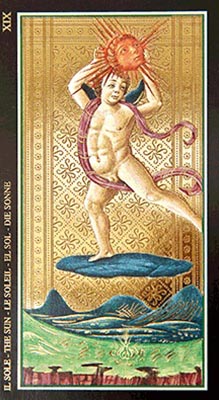
Angel Card
Il Sole
08/05/2026 — 23:57
The film follows two journalists—Samar and Amrita—as they navigate a complex web of ethics and danger to uncover a buried truth about the incident [8, 19].
This tragedy did not occur in isolation. It triggered large-scale communal riots across Gujarat, leading to the deaths of over a thousand people, most from the Muslim community, in the subsequent violence. The incident has since been the subject of numerous investigations and official commissions, each arriving at starkly different conclusions. The Nanavati Commission, appointed by the Gujarat government, concluded the fire was a “pre-planned conspiracy” by a local mob. In stark contrast, the Banerjee Commission, appointed by the central government, ruled the fire was an “accident,” stating it likely originated from inside the coach. These conflicting official reports became the ideological fault lines that the film attempts to traverse. The Sabarmati Report
The narrative uses Samar’s plight to examine the media ecosystem of the time. It juxtaposes his “rooted” Hindi journalism against the English-speaking elite newsrooms, which the film portrays as willing to cave to political pressure. When Samar’s attempts to publish his findings are blocked by his own organization, he is forced into obscurity. Years later, a young journalist, Amrita Gill (Raashii Khanna), unearths his suppressed report, sparking a dangerous joint mission to expose the truth. The film’s runtime is 127 minutes, and it features a cast including Vikrant Massey, Raashi Khanna, and Riddhi Dogra in pivotal roles. The incident has since been the subject of
Dheeraj Sarna (who replaced original director Ranjan Chandel). a young journalist
The film aligns with the narrative pushed by then-Chief Minister Narendra Modi, who insisted the fire was an "organized terrorist attack".