Qayamat Ki Raat Episode 1 New Link

Compatibility:

qayamat ki raat episode 1 new

OptiFDTD

70 MB

Below are popular user links:

FDTD Publications
FDTD Videos
FDTD Features
FDTD Tutorials

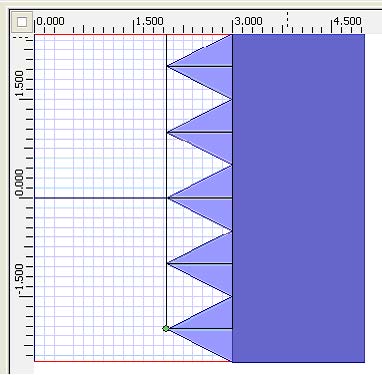
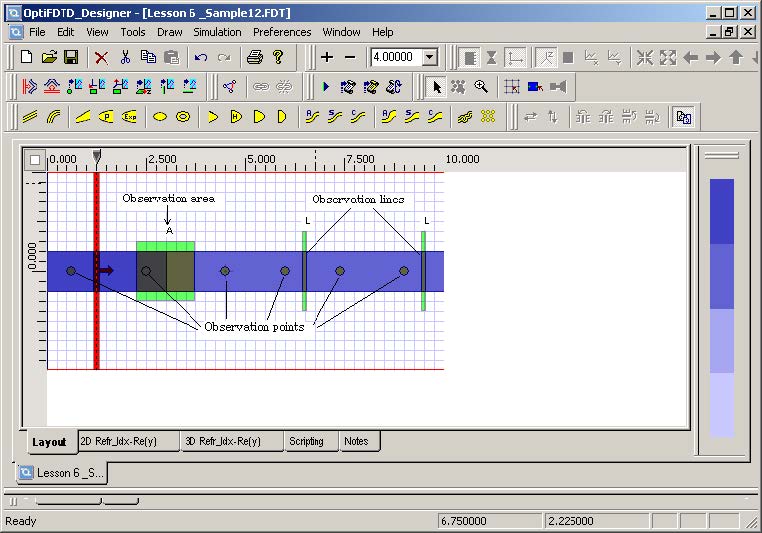
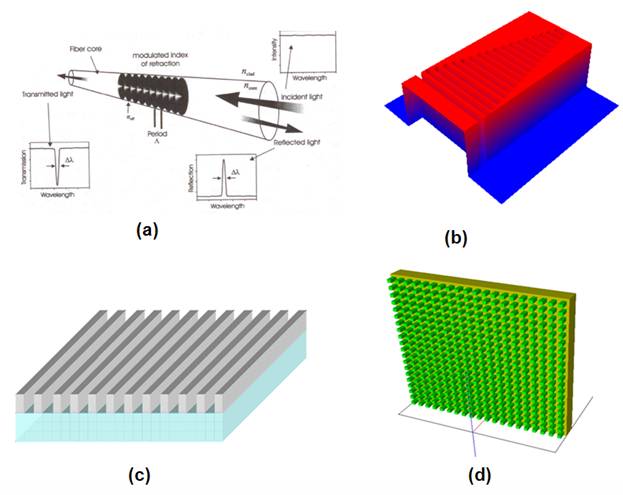
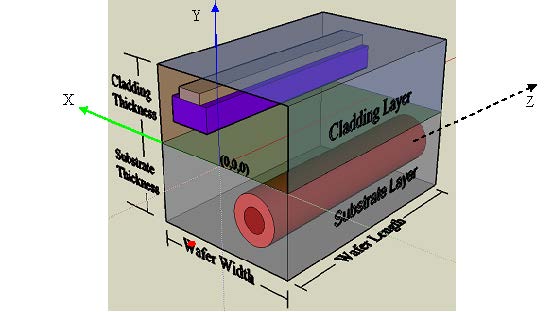
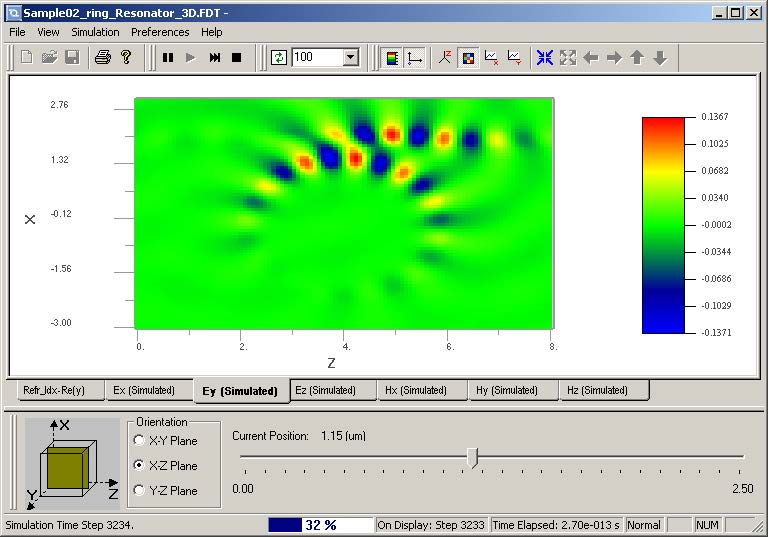
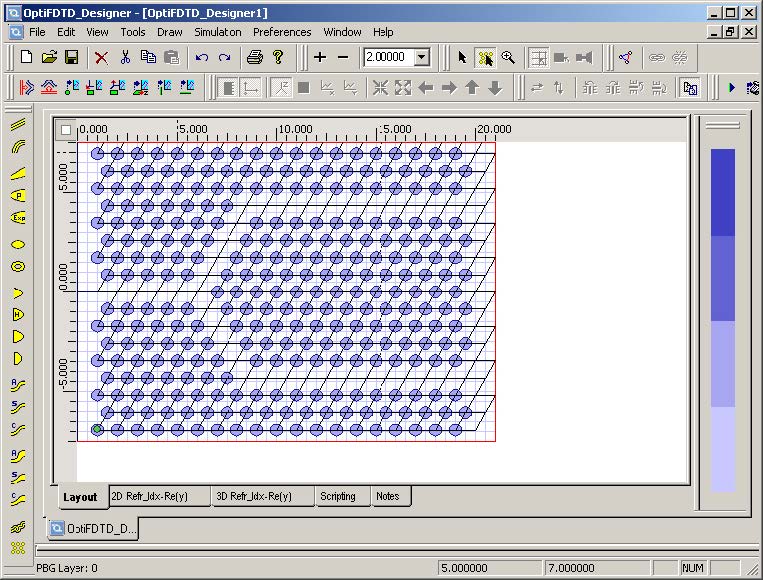
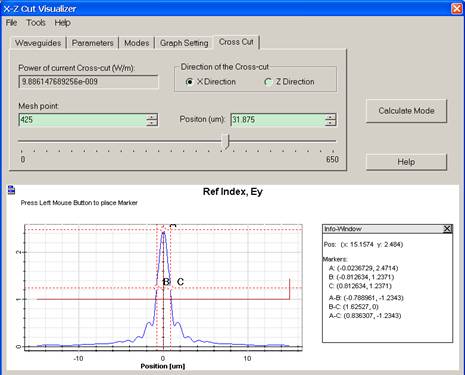
OptiFDTD enables you to design, analyze and test modern passive and nonlinear photonic components for wave propagation, scattering, reflection, diffraction, polarization and nonlinear phenomena. The core program of OptiFDTD is based on the Finite-Difference Time-Domain (FDTD) algorithm with second-order numerical accuracy and the most advanced boundary conditions – Uniaxial Perfectly Matched Layer (UPML).

The algorithm solves both electric and magnetic fields in temporal and spatial domain using the full-vector differential form of Maxwell’s coupled curl equations. This allows for arbitrary model geometries and places no restriction on the material properties of the devices.

Applications

  • Surface Plasmon Resonance (SPR)
  • Photonic band gap materials and devices
  • Nano-particles, and tissue cells
  • Diffractive micro-optics elements and lenses
  • Complex integrated optics structures
  • Nonlinear materials, dispersive materials
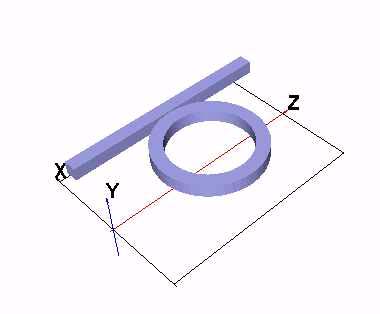
  • Optical micro-ring filters and resonators
  • Grating based waveguide structures
  • Electromagnetic phenomena


Interface with Popular DesignTools
  • Code V
  • Zemax

Feel free to browse our FDTD gallery (click to enlarge):
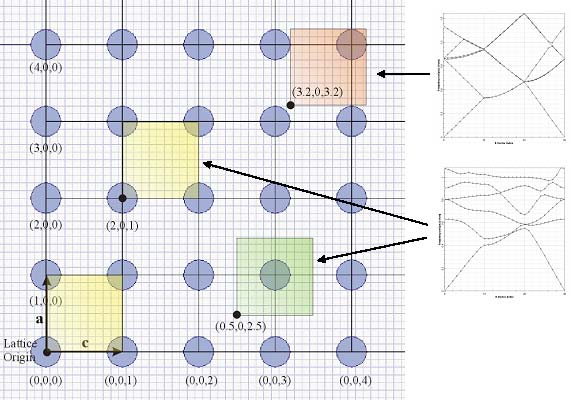
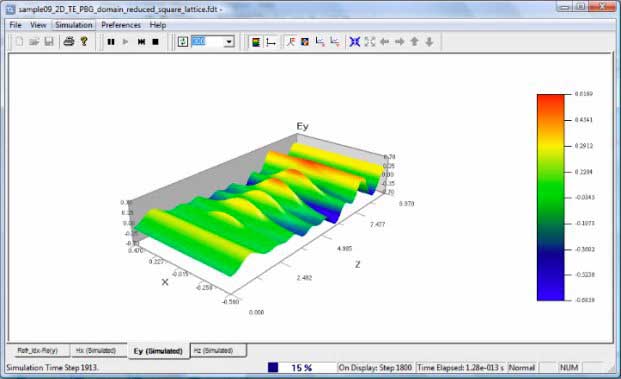
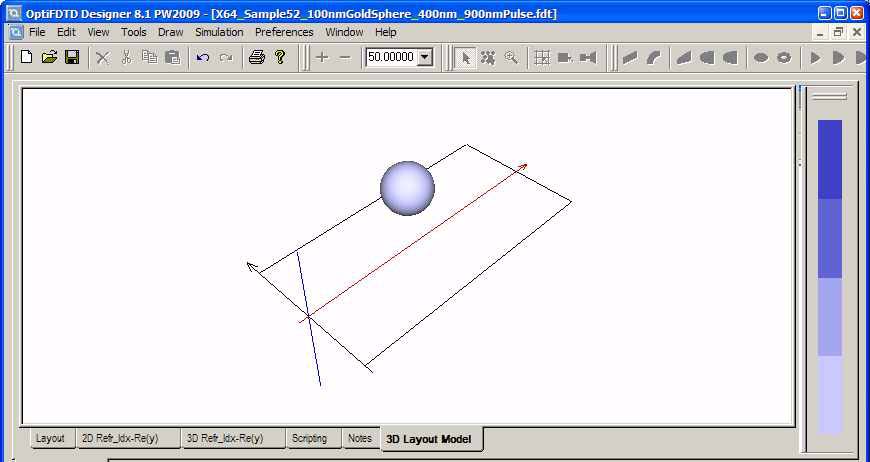
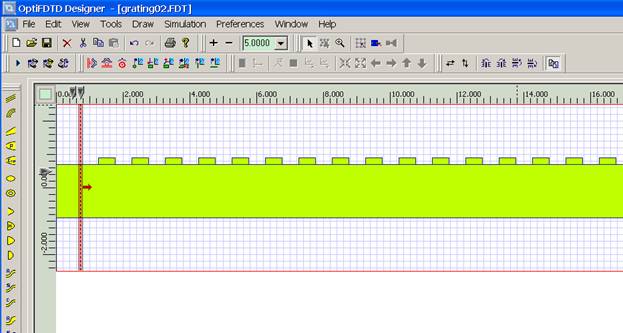
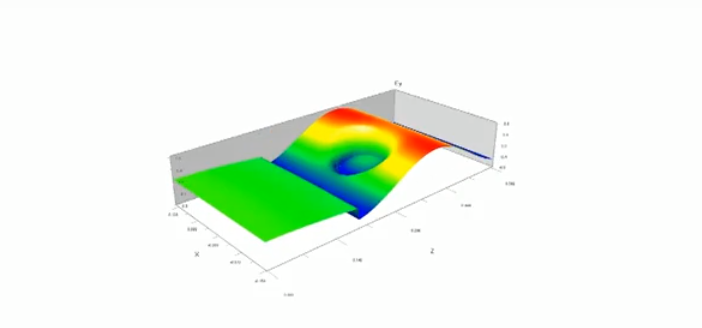
     FDTD - Figure 3 Inversion Symmetry and Domain Origin FDTD - 3D Wave propagation

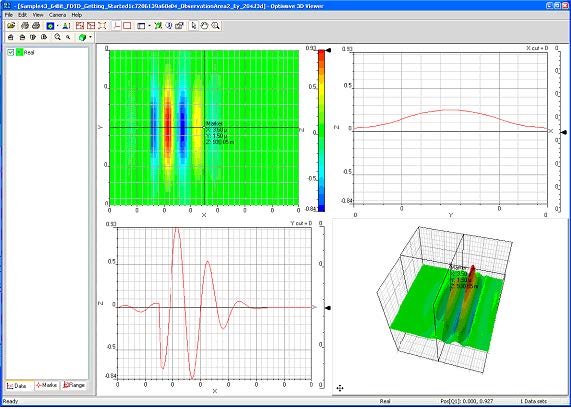
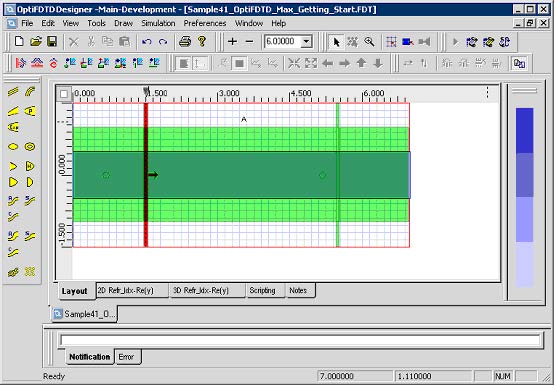
FDTD - Figure 8 The time domain snapshot observed in 3D Viewer from observation area 2FDTD - Figure 5 Layout

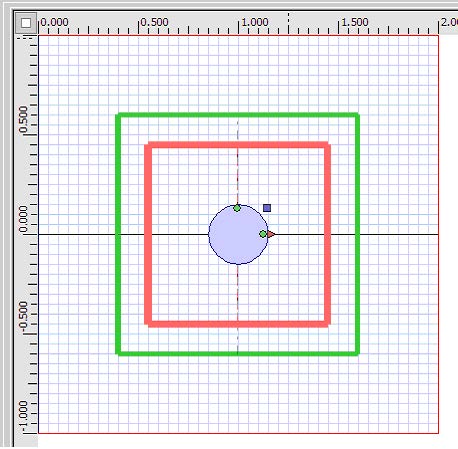
FDTD - Figure 16 Elliptic waveguide in the TFSF regionFDTD - Figure 2 Layout in OptiFDTD

FDTD - Figure 10 Observation components of projectFDTD - Selected Grating layout

FDTD - Figure 2 Example LayoutFDTD - Figure 1 3D layout mode for sphere

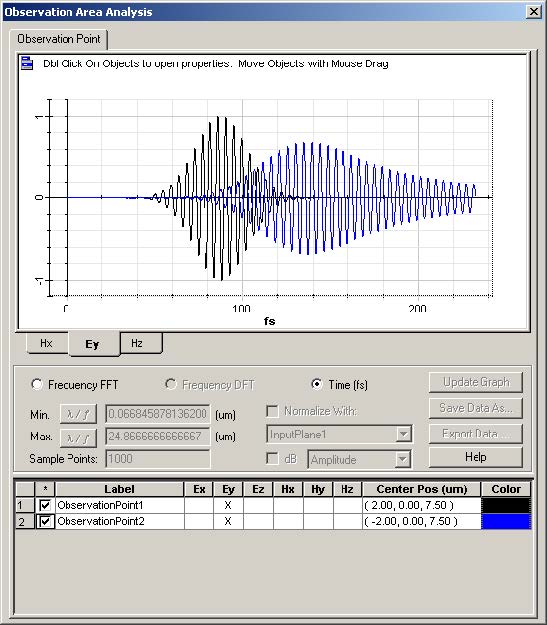
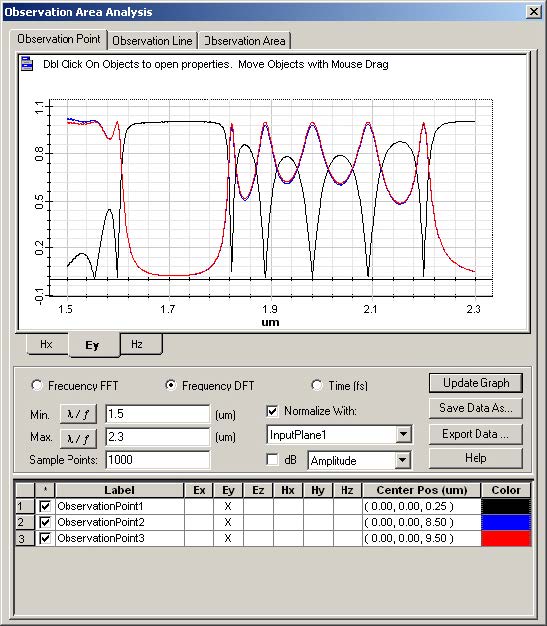
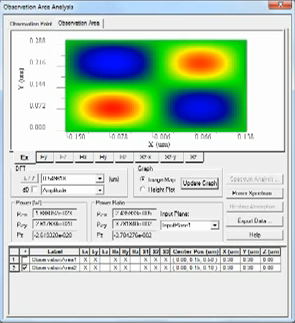
  FDTD - Observation Area Analysis dialog box FDTD - Figure 106 Observation Area Analysis dialog box

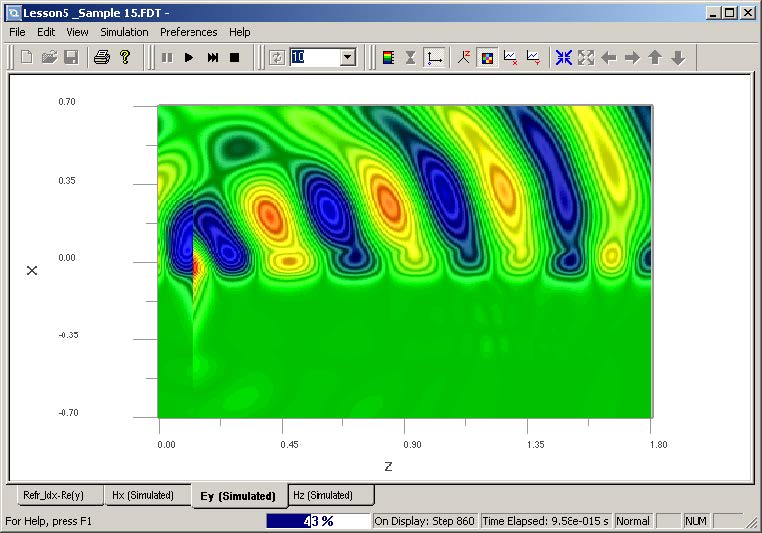
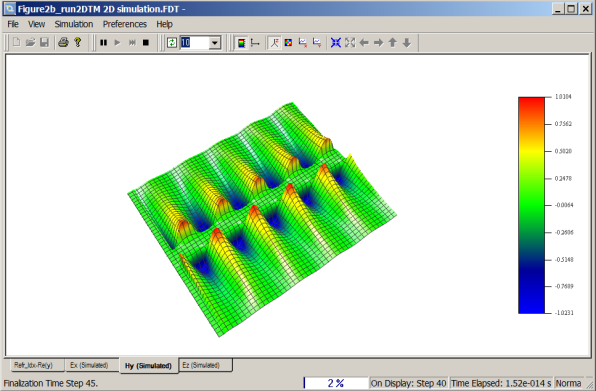
FDTD - Figure 5 OptiFDTD_Simulator FDTD - Figure 40 3D Simulation results

FDTD - Figure 95 PBG layout with new wavepath FDTD - Figure 18 3D Layout

FDTD - Beam size measurement in OptiFDTD(b)

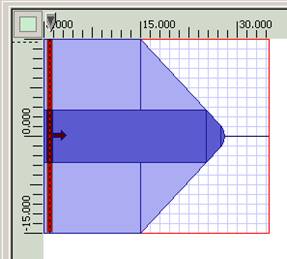
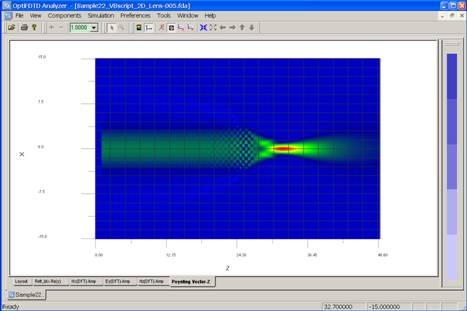
FDTD - Poynting vector for Fiber lens  FDTD - Surface wave propagation model

FDTD - Power transmission ratios and normalised powersFDTD - Near field in slice viewer

FDTD - Photonic Crystal Layout FDTD - Diffraction Grating 3D Layouts

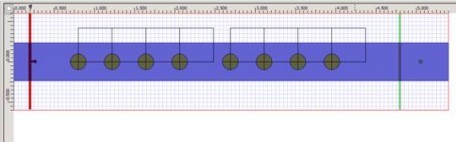
Layout in OptiFDTD  Directional grating Coupled waveguide in OptiFDTD

Layout in OptiFDTD  FDTD - Nanoparticle plane wave and the nanoparticle intensity

Related:

Qayamat Ki Raat Episode 1 New Link

The episode opens 25 years in the past in a mysterious village named Ramnamgarh.

Supernatural horror dramas have carved a massive niche in television history. When Star Plus launched Qayamat Ki Raat , it redefined how viewers experienced prime-time television terror. The premiere episode set a benchmark for atmospheric dread, gripping folklore, and intense character dynamics. Let us take an extensive look at how Episode 1 managed to captivate millions of viewers and establish a legacy in the Hindi supernatural television space. The Core Premise and Legend of Ramnamgarh qayamat ki raat episode 1 new

The background score balances traditional Indian instruments with sudden, jarring electronic notes. The ambient sounds—howling winds, creaking doors, and distant chants—keep the audience on edge even during seemingly normal conversational scenes. The Inciting Incident: Breaking the Seal The episode opens 25 years in the past

The success of the premiere episode relies heavily on its stellar cast, who deliver high-energy performances that make the supernatural elements feel grounded. The premiere episode set a benchmark for atmospheric

Qayamat Ki Raat episode 1 new is a gripping start to a thrilling series that promises to keep viewers on the edge of their seats. With its complex narrative, talented cast, and exceptional production values, this show is a must-watch for fans of Pakistani dramas. Don't miss out on the excitement – watch Qayamat Ki Raat episode 1 now and stay tuned for more updates on this highly anticipated series.