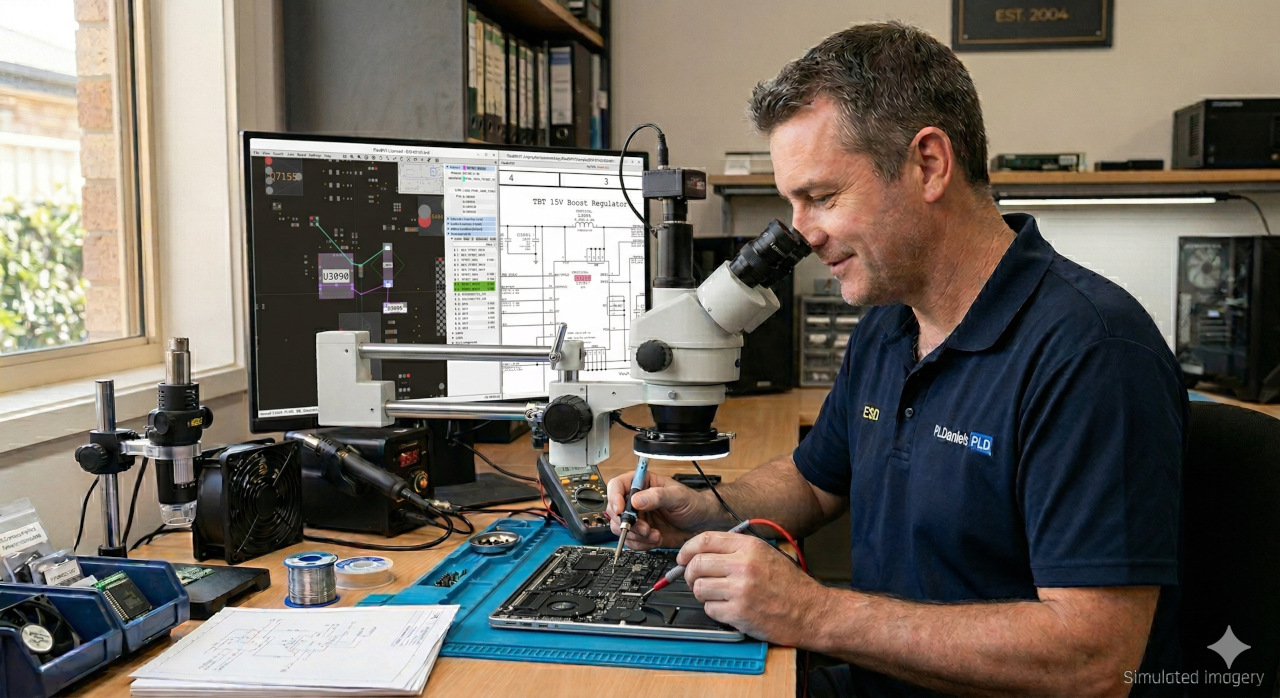
Engineered to slash the friction of repairs. Unifying boardview and schematic into a coupled interface. Cross-reference components and trace complex power rails in milliseconds, not minutes. FlexBV5 gives you back the most valuable asset in your shop: Your time.
Software You Own: Perpetual license. No subscriptions. No cloud-dependency.
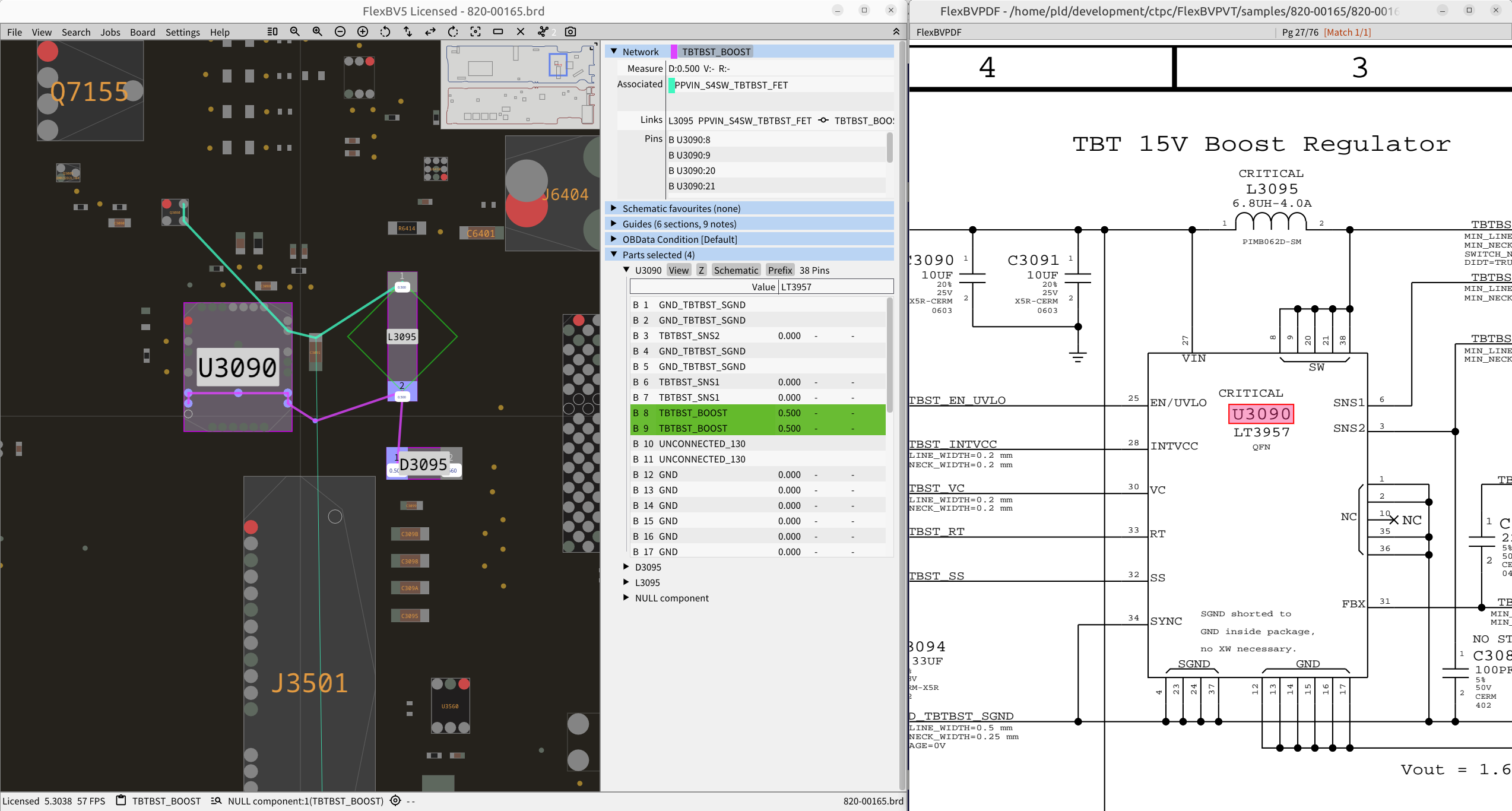
Perform board-level repairs with synchronized PDF schematics and part tracking.
For Rework Teams
Integrate in-house systems with our SQLite3 job database and offline capability.
For Enthusiasts
A superior, faster alternative to OpenBoardView with native SDL3 performance.
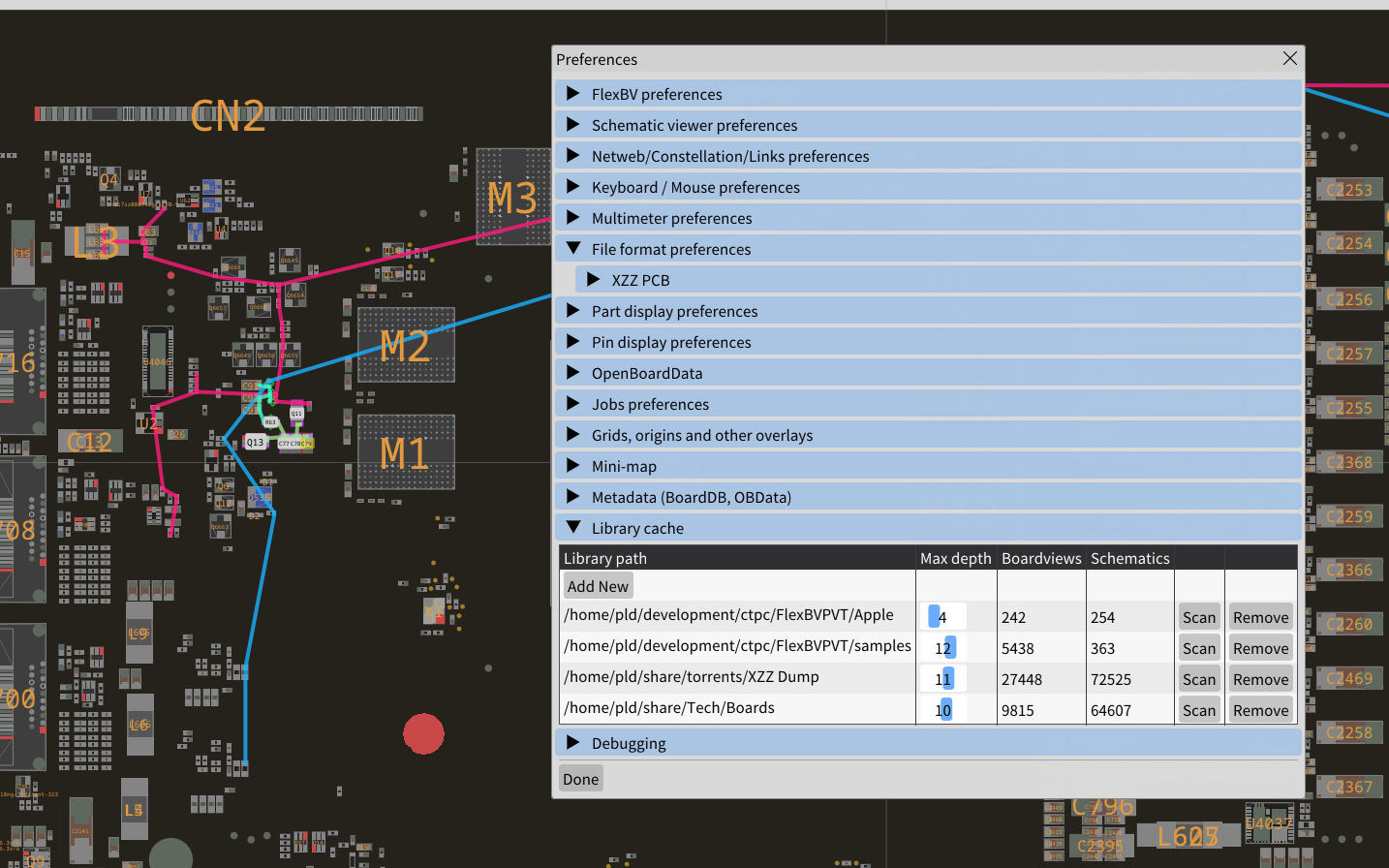
Professionals should own their tools. FlexBV5 is a perpetual license—once you buy it, it is yours. There are no monthly fees, no mandatory cloud logins, and no "subscription anxiety". You get a native binary that runs locally on your machine, ensuring your workflow remains functional even when your internet doesn't.
Professional Feature Set
terminal
Industry-Leading Decoding
The most expansive file support on the market. FlexBV5 natively decodes over 15+ formats including .BRD, .BDV, .BV, .FZ, .CAD, .GR, and many proprietary OEM types.
picture_as_pdf
Smart PDF Integration
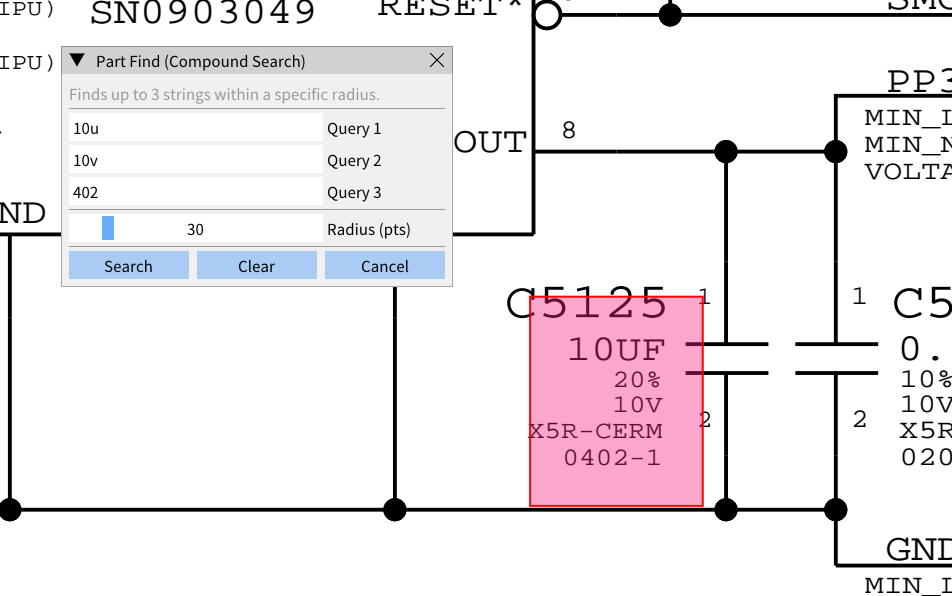
Synchronize boardview parts and nets with schematic PDF pages automatically. Compound search and Part Find to locate parts among your boards.
hub
Mycelium Net Tracking
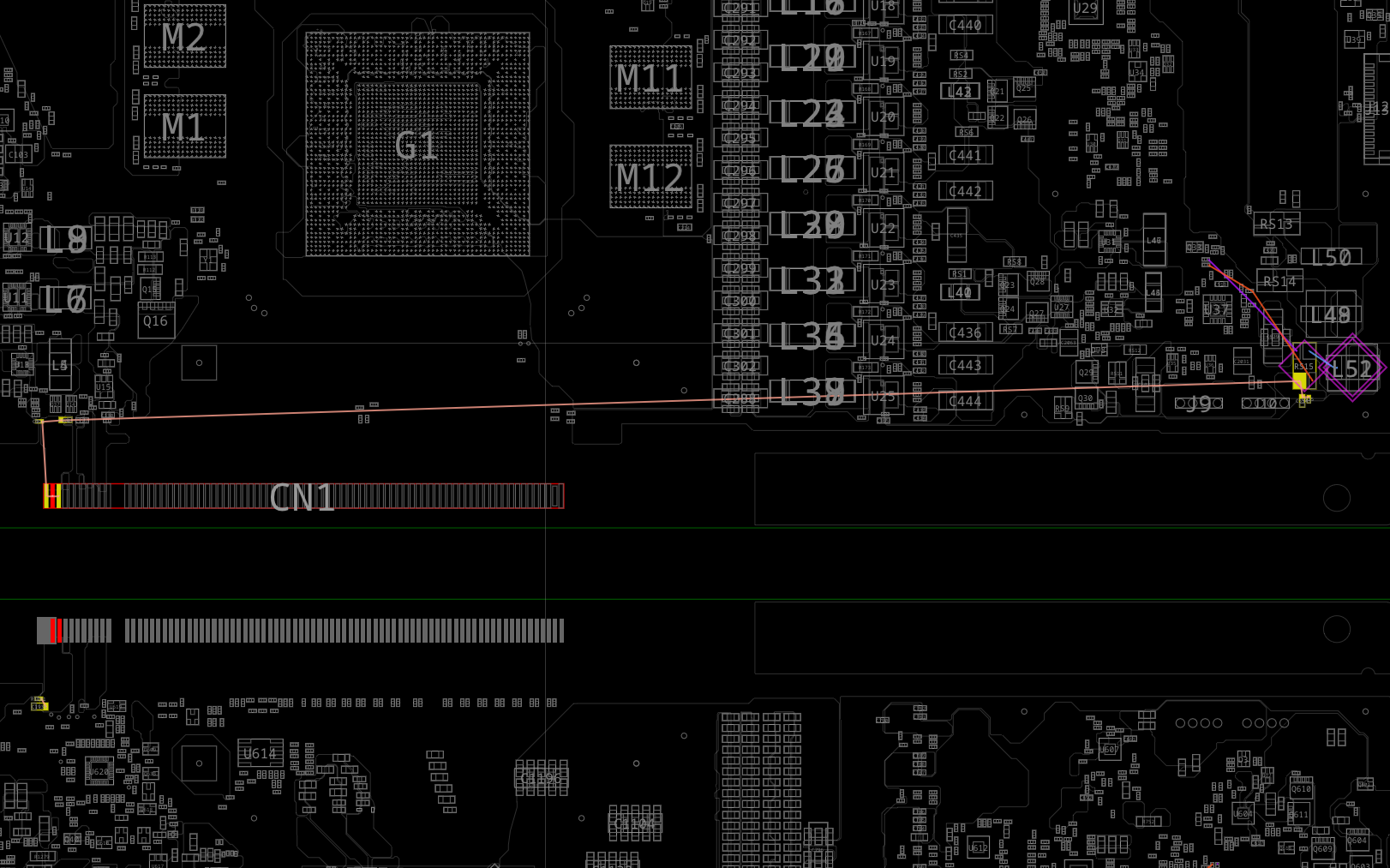
Visualize extended network path expansions through multiple components. See where the network reaches out.
security
Local Data Privacy
Offline operation. No mandatory cloud logins or telemetry.
palette
Customizable UI
Support for high-DPI displays and customizable retro or dark themes.
history_edu
Repair Job Logging
Maintain a searchable SQLite3 database of your repair history and notes.
Because of the physical surface area—nearly nine times larger than standard 35mm film—it is widely cited by experts at IMAX Corporation as having a theoretical resolution equivalent to 12K to 18K . 2. High-Resolution Scanning Infrastructure
Christopher Nolan’s "Oppenheimer" had roughly 11,000 hours of manual work on the digital intermediate, but the scanning phase alone generated over 300 Terabytes of raw data.
While digital cinema cameras capture up to 8K or 12K raw data, a pristine 15/70mm negative is widely estimated by cinematographers and colorists to hold between 12K and 18K of optical resolution .
Technical Report: IMAX Film Scanning and Digital Intermediates
: Once scanned into raw data, the footage enters a "digital intermediate" phase. Here, filmmakers perform color grading and add special effects while maintaining the "organic silver crystal" texture of the film.
: While standard digital cinema often peaks at 4K, an IMAX film frame contains so much information it is estimated to have a digital equivalent of 18,000 pixels (18K).
Audiences want to experience the striking clarity of IMAX at home. High-resolution IMAX scans serve as the master files for 4K UHD Blu-rays and streaming platforms featuring the "IMAX Enhanced" aspect ratio (usually shifting from 2.40:1 to 1.78:1 or 1.90:1 to fill the home television screen).
How FlexBV5 Compares
Feature
FlexBV Free
FlexBV Professional
Competitors
Cost
Free
$150.00 USD
Subscription
Licence
Non-Expiry
Perpetual Ownership
Annual Fee
PDF Cross-Ref
No
Yes
No
Constellation View
No
Yes
No
Mycelium Extensions
No
Yes
No
Modern UI (SDL3)
Yes
Yes
No
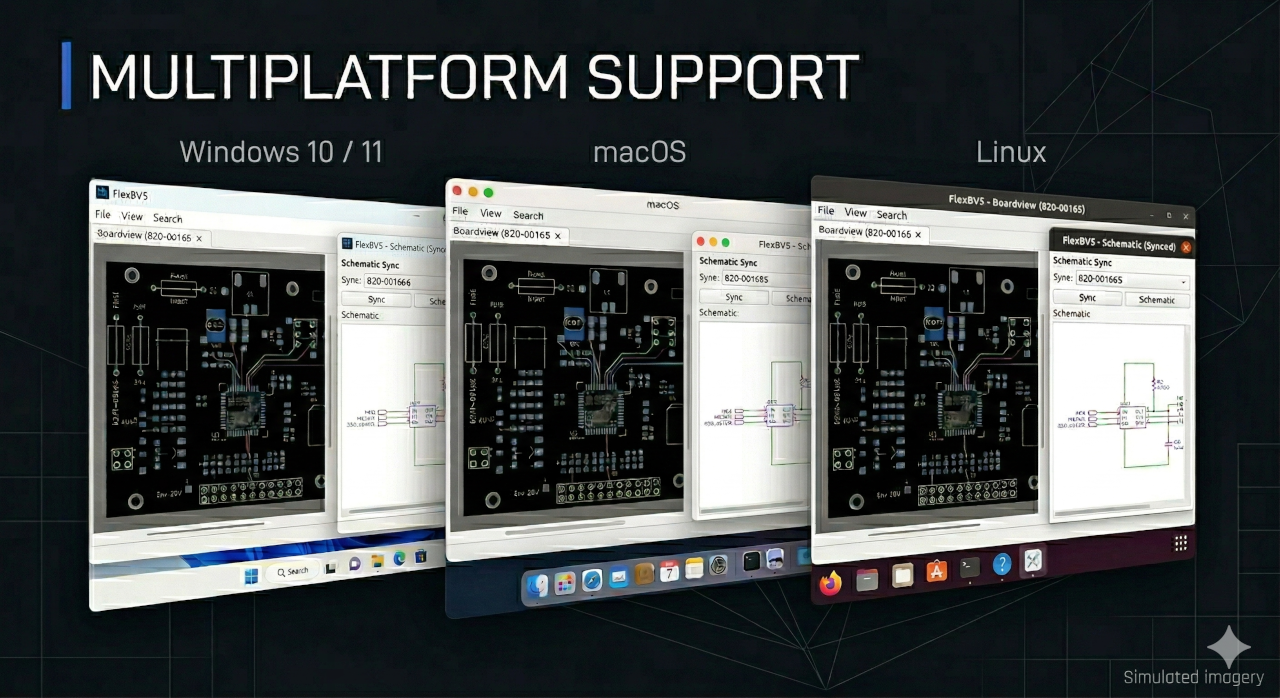
Cross Platform
Yes
Yes
No
Imax Film Scan Jun 2026
Because of the physical surface area—nearly nine times larger than standard 35mm film—it is widely cited by experts at IMAX Corporation as having a theoretical resolution equivalent to 12K to 18K . 2. High-Resolution Scanning Infrastructure
Christopher Nolan’s "Oppenheimer" had roughly 11,000 hours of manual work on the digital intermediate, but the scanning phase alone generated over 300 Terabytes of raw data. imax film scan
While digital cinema cameras capture up to 8K or 12K raw data, a pristine 15/70mm negative is widely estimated by cinematographers and colorists to hold between 12K and 18K of optical resolution . Because of the physical surface area—nearly nine times
: Once scanned into raw data, the footage enters a "digital intermediate" phase. Here, filmmakers perform color grading and add special effects while maintaining the "organic silver crystal" texture of the film.
: While standard digital cinema often peaks at 4K, an IMAX film frame contains so much information it is estimated to have a digital equivalent of 18,000 pixels (18K).
Audiences want to experience the striking clarity of IMAX at home. High-resolution IMAX scans serve as the master files for 4K UHD Blu-rays and streaming platforms featuring the "IMAX Enhanced" aspect ratio (usually shifting from 2.40:1 to 1.78:1 or 1.90:1 to fill the home television screen).
Professional Licence
Licence Registration
$150.00 USD
Direct Assistance
Need Support?
English-only technical enquiries. Check the Online Manual first.
 Simulated Imagery